
The local RSL floor is louder than any phone speaker, and yet punters keep downloading apps to chase the same spin on a smaller screen. A contrarian take suggests mobile play suits the cautious better than the pub regular, because the transparent odds display and the ability to walk away without a bartender watching change the psychology entirely. The phrase on the go casino mobile AUD captures the practical reality that matters most to a first-timer moving from Parramatta to a browser window.
Most Australians who pull a lever at the local club understand the rhythm of a session, but the digital equivalent introduces a different set of choices. A player who deposits fifty dollars into a mobile account faces a decision tree that the pub floor never offered, from instant withdrawal windows to bonus wagering requirements that can trap a balance for weeks. The sensible approach treats the phone like a convenience, not a cure for the habit.
The pub pokies habit does not translate
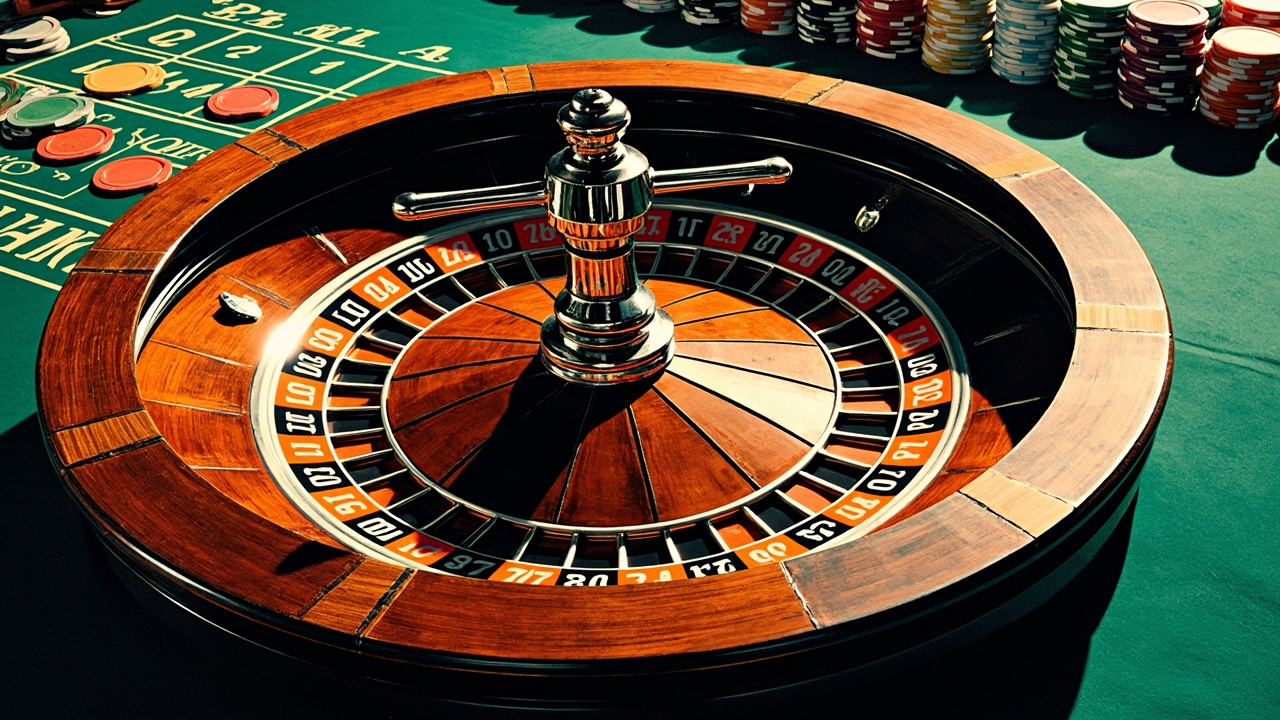
The carpet at the Westmead RSL smells of lemon disinfectant and decades of coins, a sensory background that a silent phone cannot replicate. Playing online removes the noise but keeps the same random number generator, which means a regular who expects the machine to warm up after a cold run will chase losses with the same logic in both places. The key difference is that the app never pours a free drink to keep the seat occupied.Thechronicle
A session that starts at quarter past eight on a Tuesday night follows a different arc when the venue is a browser tab rather than a row of cabinets. The pub regular who leaves after two hours of play has a physical reason to step outside, while the mobile player must impose that boundary manually. A practical rule is to set a hard stop time before the first spin, because the absence of a closing bell makes time distortion a genuine risk.
Dollars and cents in the mobile wallet
Australian players who fund a mobile account in local currency avoid the exchange rate guesswork that plagues cross-border cards, but the deposit still passes through a payment processor that may hold the amount for a short clearance window. A hypothetical deposit of one hundred dollars might appear instantly in the balance, yet a withdrawal to the same card can take two to five business days depending on the bank. The trade-off is convenience against speed, and the player who needs cash back quickly should read the payout terms before choosing a method.
Consequently, punters should always check the specific processing times for their chosen payment method before committing funds. Reputable outlets will outline these settlement periods clearly in their banking terms, as noted in local gaming reports. Keeping track of these windows ensures players can access their winnings without unnecessary frustration.
The balance display on a phone shows numbers that feel smaller than the stack of tickets at a venue, which can make a losing streak look less serious than it is. A seasoned observer would argue that the decimal point on a screen deserves the same respect as the coin tray at the club, because fifty cents lost per spin adds up to a visible hole by the end of an hour. Keeping a running note of the starting balance on a separate piece of paper turns the abstract figure into something the eye can track.
Spinning reels without the pub noise
The first tap on a mobile slot carries the same mathematical expectation as the cabinet down the hall, but the interface design can nudge a player toward faster play by hiding the pay table behind a menu. A careful user opens the game information before the first bet and checks the return-to-player figure, because a game that advertises bright animations may sit well below the average for the genre. The practical step is to treat the pay table as a contract and read it before any money moves.
A session on the reels on cleopatra slot illustrates how the mobile layout compresses the experience into a thumb-sized window that rewards quick decisions rather than the deliberate pace of a pub floor. The player who prefers a slower rhythm can adjust the autoplay settings to limit the number of spins per minute, which turns a feature designed for speed into a tool for restraint. The trade-off is that disabling speed features may reduce the entertainment value for someone who wants a faster run.
When the screen beats the club floor
Common advice tells new online players to chase the bonuses that welcome emails promise, yet the wagering multipliers attached to those offers often lock a deposit into play that a sensible punter would avoid. A contrarian view holds that skipping the bonus and playing with a clean balance gives the player a clearer picture of the true cost of a session, because the bonus terms can extend play into hours that would otherwise end. The practical test is to read the playthrough requirement and decide whether the extra spins are worth the extra time.
A comparison with the RSL environment shows that the club offers a social check on behaviour, where a friend might suggest a break after a rough half hour, while the phone offers no such intervention. The mobile player who wants that social guardrail should arrange a time to message a mate at the end of the session, because an external prompt can break the loop that the app never interrupts. The method is simple, but it works because it borrows the pub floor’s best feature and moves it to the digital space.
Limits that actually matter on a phone
A deposit limit set inside the account logisticspierias.com settings is only useful if the player chooses a figure that reflects a real weekly budget rather than an aspirational number that gets ignored after a few wins. A hypothetical cap of two hundred dollars per week forces a decision before the session starts, and the player who hits that ceiling must accept the loss rather than chase it on a different device. The condition is that the limit must be set before the first deposit, because changing it later usually requires a cooling-off period that defeats the purpose.
The time-out feature available on most platforms lets a player step away for a set period, but the effectiveness of that tool depends on whether the player uses it at the first sign of frustration rather than after a significant loss. A practical rule is to activate a short break after any session that ends with a balance below the starting point, because the pause interrupts the impulse to reload and try again. The trade-off is that the break costs nothing but requires the discipline to walk away from the screen.reels on cleopatra slot
The Westmead to bank transfer reality
A player based around Western Sydney who wins a modest amount on a mobile session faces the same withdrawal path as anyone else, but the local bank’s processing window can add a day or two to the arrival time. The reality is that a payout to an Australian bank account is not instant, and the player who expects the money to appear before the next pub visit will be disappointed by the clearance delay. The practical expectation is to treat a withdrawal as a two-to-five-day transaction and plan the cash flow accordingly.
The local press has covered the broader shift in betting habits across the region, and readers who want the wider context can follow the reporting at theage.com.au and thechronicle.com.au for updates on how clubs and platforms adapt to the mobile shift. The coverage matters because it tracks the social side of the change, not just the mechanics of a spin, and a player who understands the broader trend is less likely to treat the phone as an isolated convenience. The link between the local scene and the digital play is stronger than the marketing suggests.
Knowing when the session should end
A session that runs past the planned stop time is a sign that the player has surrendered the boundary set at the start, and the sensible response is to close the app rather than negotiate with the urge to continue. The practical test is to compare the ending balance against the starting figure and accept that a loss is a cost of the entertainment, not a debt that must be recovered. The rule is blunt because the mathematics of the game do not care about the hour on the clock.
The decision to play on a phone in Australian dollars works best for someone who treats the device as a convenience for a controlled session rather than a replacement for the discipline of the pub floor. A player who brings the same caution to the screen as to the club will find the mobile experience manageable, while the one who expects the phone to change the odds will find only a smaller window on the same game. The judgment is simple because the underlying mechanics have not changed, only the place where the lever is pulled.